


The Energy and Defence Corridor How Constanța is Shaping Global Power Dynamics

Constanța, Romania’s largest port city on the Black Sea, has quietly become a critical node in global energy and defense networks. Its strategic location and infrastructure place it at the heart of complex geopolitical shifts, especially amid rising tensions in Eastern Europe. For executives and decision-makers involved in energy, grain trade, and defense logistics, understanding Constanța’s role is essential. This post explores why Constanța matters today, focusing on the vital 30-kilometer route to the port, the challenges of navigating a "war-adjacent" economy, and how local expertise ensures smooth operations in this dynamic environment.
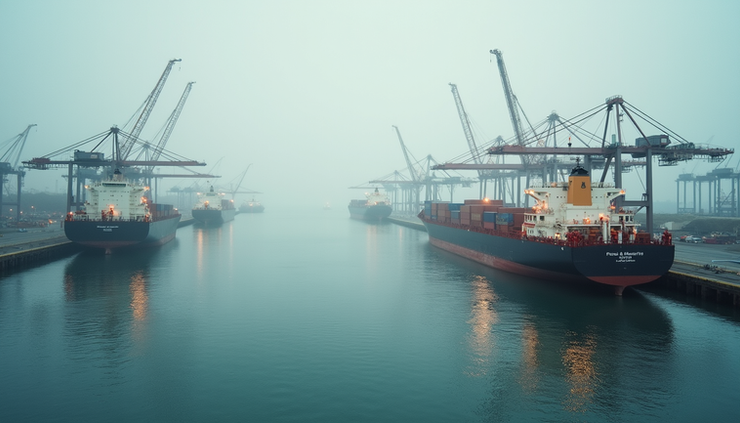
Constanța’s Strategic Importance in Today’s Geopolitical Landscape - The Energy and Defence Corridor Constanța
Constanța sits at a crossroads between Europe, Asia, and the Middle East. Its port is the largest on the Black Sea and one of the busiest in Europe, handling millions of tons of cargo annually. This makes it a vital gateway for energy supplies, agricultural exports, and military logistics.
The ongoing conflict in Ukraine and the shifting alliances in the region have increased the port’s significance. Grain exports from Ukraine, a major global supplier, often transit through Constanța. Meanwhile, energy routes involving natural gas reserves in the Black Sea region depend heavily on infrastructure connected to the city.
This geopolitical context means Constanța is no longer just a regional hub. It has become a global power center where energy security, food supply chains, and defense strategies intersect. Countries and corporations closely monitor developments here to anticipate shifts in supply and demand, as well as potential disruptions.
The Vital 30-Kilometer Route to the Port of Constanța
One of the most critical elements in Constanța’s infrastructure is the 30-kilometer corridor connecting the city center to the port. This stretch is essential for moving grain shipments and gas reserves efficiently. Delays or blockages along this route can ripple through global markets, affecting prices and availability.
Grain deals, especially those involving Ukrainian wheat and corn, rely on timely transport to meet international contracts. The port’s capacity to handle large volumes quickly depends on smooth logistics along this corridor. Similarly, gas reserves extracted from offshore fields in the Black Sea require secure and fast transit routes to processing and export facilities.
The corridor’s importance has grown as global supply chains face increasing pressure from geopolitical tensions and economic sanctions. Ensuring this route remains open and efficient is a priority for governments and businesses alike.
The “Time is Money” Philosophy for C-Suite Executives
For executives visiting The Energy and Defence Corridor Constanța, time is a critical resource. Meetings with local partners, inspections of facilities, and negotiations around energy and defense contracts demand punctuality and efficiency. Delays can cost millions, damage reputations, and jeopardize deals.
The “Time is Money” mindset is not just a cliché here. It reflects the reality of operating in a region where unpredictable factors can disrupt schedules. Military convoys, sudden surges in logistics traffic, and security checks add layers of complexity to travel plans.
Executives need reliable transportation that anticipates these challenges. Being stuck in traffic or missing a meeting due to unforeseen road conditions is not an option. This makes local knowledge and expert navigation indispensable.
Navigating Traffic and Logistics in a War-Adjacent Economy
Constanța’s proximity to conflict zones means its economy and infrastructure operate under unique pressures. Military movements and heightened security measures affect road access and traffic flow. Logistics companies must adapt quickly to changing conditions.
Local drivers and chauffeurs play a crucial role in this environment. They understand the timing of military convoys, the locations of checkpoints, and alternative routes that keep clients moving. Their expertise reduces uncertainty and ensures that critical shipments and personnel reach their destinations on time.
This knowledge is especially valuable for foreign visitors unfamiliar with the area’s nuances. Without local guidance, navigating Constanța’s roads can be frustrating and risky.
Chauffeurs as Local Navigation Experts Ensuring Punctuality
Our chauffeurs are more than drivers; they are local experts who provide peace of mind in a complex setting. They monitor real-time traffic updates, coordinate with security teams, and plan routes that avoid delays caused by military or logistics surges.
By relying on their experience, executives can focus on their core tasks without worrying about transportation. This service is a strategic advantage in a region where every minute counts.
For example, during recent spikes in military activity, our chauffeurs successfully rerouted clients around congested areas, maintaining punctuality for critical meetings. Their ability to adapt quickly to changing conditions reflects deep local knowledge and commitment to service excellence.
The Future of Constanța as a Global Power Hub
Constanța’s role will likely grow as energy demands increase and geopolitical tensions persist. Investments in port infrastructure, road networks, and security will enhance its capacity to serve as a reliable hub for grain exports, gas reserves, and defense logistics.
For businesses and governments, partnering with local experts and understanding the city’s unique challenges will be key to success. Constanța offers opportunities but requires respect for its complex environment.


